Spine Care & Treatments
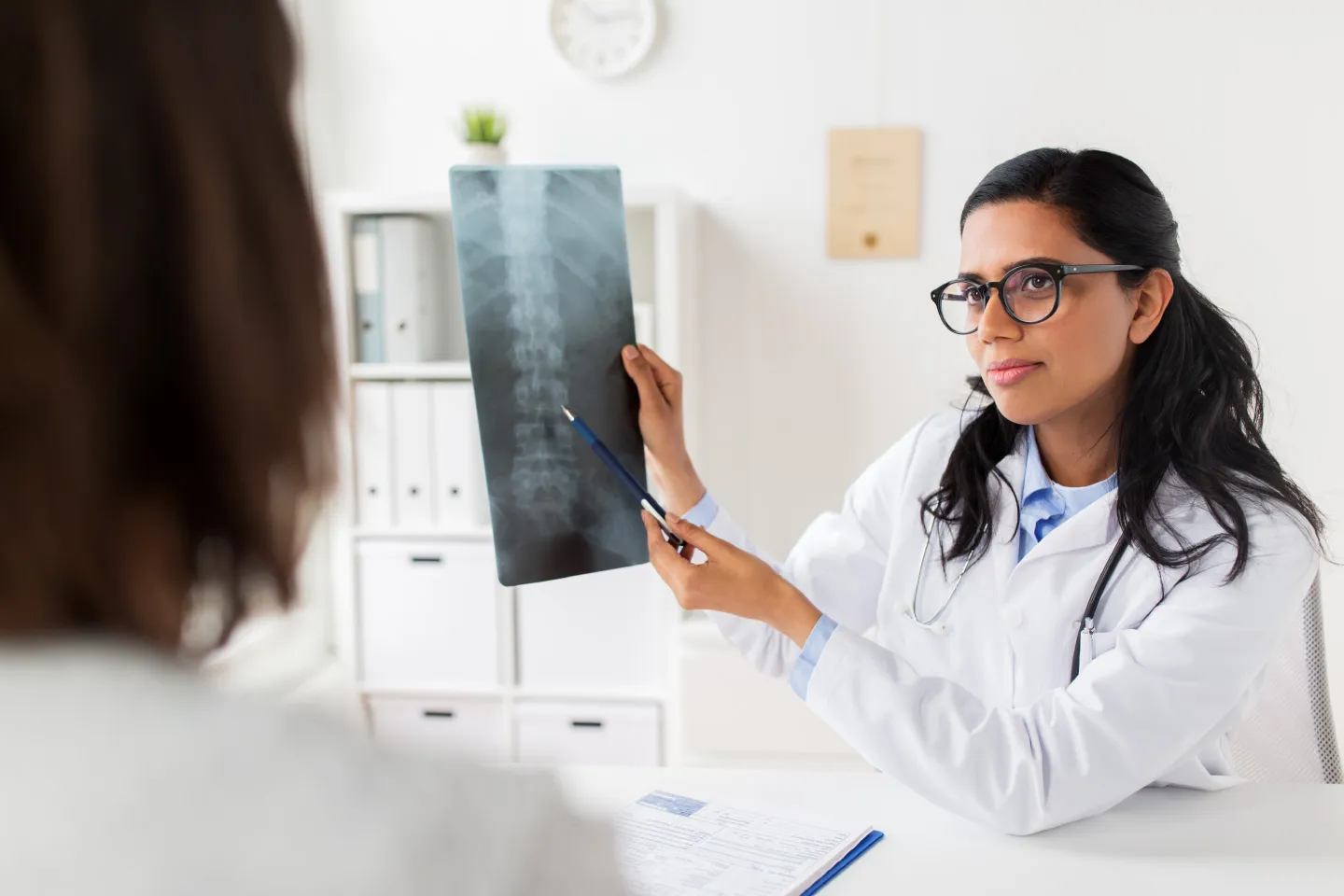
Back and neck pain are among the most common health complaints today. Whether caused by prolonged sitting, ageing changes, injury, or nerve compression, spine disorders can significantly affect mobility, sleep, productivity, and overall quality of life.
At Mamatha Spine and Regenerative Orthopedic Centre, spine care is delivered through a structured, evidence-based, and patient-centred approach. Under the expertise of Dr. Arjun Kumar, an experienced orthopedic surgeon in Bengaluru, patients receive comprehensive evaluation and individualised treatment plans with a strong emphasis on non-surgical management.
Our goal is not only to relieve pain but also to restore spinal stability, improve function, and prevent recurrence.
Conditions We Treat
1. Neck Pain (Cervical Spondylosis)
Cervical spondylosis refers to age-related wear and tear affecting the cervical spine (neck region). Over time, discs lose hydration, joints become arthritic, and ligaments thicken, leading to stiffness and nerve irritation.
Common Symptoms:
- Neck stiffness and persistent pain
- Headaches originating from the neck
- Shoulder and arm pain
- Numbness or tingling in the hands
- Weakness in the upper limbs
Treatment Approach:
Dr. Arjun Kumar evaluates spinal alignment, nerve involvement, and muscle imbalance before designing a treatment plan. Management may include:
- Anti-inflammatory medications
- Structured physiotherapy
- Posture correction strategies
- Ergonomic counseling
- Targeted injections when required
Early treatment prevents progression and long-term complications.
2. Low Back Pain (Lumbar Spondylosis)
Lumbar spondylosis refers to degenerative changes in the lower spine. It is common in individuals with sedentary lifestyles, heavy physical work, or advancing age.
Symptoms:
- Chronic lower back pain
- Pain worsens with prolonged sitting or standing
- Reduced flexibility
- Morning stiffness
- Occasional radiating pain
Treatment Focus:
At Mamatha Spine and Regenerative Orthopedic Centre, the emphasis is on:
- Core muscle strengthening
- Postural correction
- Activity modification
- Pain management protocols
- Rehabilitation programs to restore spinal support
Most cases improve significantly without surgery.
3. Slipped Disc / Disc Prolapse
A slipped disc (herniated or prolapsed disc) occurs when the soft inner material of a spinal disc protrudes and compresses nearby nerves.
Symptoms:
- Sharp, shooting back pain
- Radiating pain to the arms or legs
- Numbness or tingling
- Muscle weakness
Our Management Strategy:
Contrary to common belief, the majority of disc prolapse cases do not require surgery.
Treatment may include:
- Rest and guided activity modification
- Medications to reduce inflammation
- Supervised physiotherapy
- Image-guided injections
- Regenerative therapies, when appropriate
Surgery is considered only if conservative care fails or neurological deficits worsen.
4. Sciatica & Nerve Compression Syndromes
Sciatica is caused by irritation or compression of the sciatic nerve, usually from a disc prolapse or spinal narrowing.
Symptoms:
- Burning or electric shock-like pain down the leg
- Numbness or weakness
- Pain aggravated by sitting
Dr. Arjun Kumar focuses on identifying the root cause of nerve compression and relieving it through non-surgical techniques whenever possible.
5. Spinal Stenosis
Spinal stenosis is a narrowing of the spinal canal that puts pressure on nerves.
Common Signs:
- Back or neck pain
- Leg pain while walking (neurogenic claudication)
- Relief when bending forward
- Weakness or numbness in the legs
Treatment may include:
- Targeted physiotherapy
- Pain management interventions
- Structured rehabilitation
- Surgical consultation only when severe nerve compromise exists
6. Facet Joint Pain
Facet joints connect vertebrae and provide spinal stability. Degeneration or inflammation can cause localised back pain.
Symptoms:
- Pain worsened by extension (leaning backwards)
- Localised stiffness
- Pain during twisting movements
Management includes diagnostic evaluation, targeted therapy, and interventional procedures if necessary.
7. Sacroiliac (SI) Joint Pain
The sacroiliac joint connects the spine to the pelvis. Dysfunction in this joint can mimic sciatica or disc-related pain.
Symptoms:
- Pain in the lower back or buttocks
- Pain while climbing stairs
- Pain when standing for long periods
Accurate diagnosis is essential, as SI joint pain is frequently misdiagnosed. Dr. Arjun Kumar ensures a precise evaluation before treatment.
8. Postural & Degenerative Spine Disorders
Modern lifestyles significantly contribute to postural spine disorders, especially among office workers and students.
Common Issues:
- Forward head posture
- Rounded shoulders
- Early disc degeneration
- Occupational back strain
Treatment focuses on:
- Postural retraining
- Ergonomic assessment
- Strengthening and flexibility exercises
- Preventive spine care education
Non-Surgical Spine Management – Our Core Philosophy
At Mamatha Spine and Regenerative Orthopedic Centre, conservative treatment is always the first line of management.
Our non-surgical approach includes:
- Detailed clinical assessment
- Radiological correlation (X-ray, MRI when required)
- Personalised physiotherapy programs
- Medication management
- Image-guided injections
- Lifestyle modification plans
- Regenerative orthopedic therapies
Surgical intervention is considered only when:
- There is a progressive neurological deficit
- Severe spinal instability exists
- Conservative treatment fails over time
Why Choose Dr. Arjun Kumar for Spine Care in Bengaluru?
- Specialised expertise in orthopedic spine conditions
- Comprehensive evaluation before treatment
- Focus on long-term recovery
- Strong emphasis on non-surgical management
- Patient education and preventive care
Every patient receives a tailored treatment strategy rather than a one-size-fits-all solution.
Frequently Asked Questions (FAQs)
Q: When should I consult a spine specialist for back pain?
A: If your pain persists for more than 2–3 weeks, radiates to your arms or legs, causes numbness or weakness, or interferes with daily activities, you should seek specialist consultation.
Q: Does a slip disc always require surgery?
A: No. In fact, most disc prolapse cases improve with conservative treatment such as physiotherapy, medications, and activity modification. Surgery is reserved for severe or progressive cases.
Q: What is the difference between sciatica and general back pain?
A: Sciatica refers specifically to nerve-related pain that radiates down the leg, while general back pain may be muscular or joint-related without nerve involvement.
Q: How long does it take to recover from cervical or lumbar spondylosis?
A: Recovery varies depending on severity, age, lifestyle, and adherence to treatment. Many patients experience improvement within weeks with proper therapy and posture correction.
Q: Can poor posture really cause chronic back pain?
A: Yes. Long-term poor posture can strain muscles, accelerate disc degeneration, and lead to chronic spine conditions.
Q: Are spine injections safe?
A: When performed under proper medical guidance and imaging assistance, spine injections are generally safe and can provide significant pain relief in selected patients.
Q: What lifestyle changes help prevent spine problems?
A: Maintaining a healthy body weight, regular exercise, core strengthening, ergonomic workspace setup, and avoiding prolonged sitting significantly reduces spine-related issues.
Q: When is spine surgery absolutely necessary?
A: Surgery may be required in cases of:
- Progressive muscle weakness
- Loss of bowel or bladder control
- Severe spinal instability
- Persistent debilitating pain unresponsive to conservative treatment
Book Your Spine Consultation in Bengaluru
If you are experiencing persistent neck pain, low back pain, sciatica, or degenerative spine conditions, consult Dr. Arjun Kumar at Mamatha Spine and Regenerative Orthopedic Centre.
Early evaluation and structured treatment can prevent chronic disability and improve long-term spinal health.
Schedule your consultation today and take the first step toward a stronger, healthier spine.
Mamatha Spine and Regenerative Orthopedic Centre is dedicated to providing advanced spine and orthopedic care in Bengaluru, helping patients move pain-free and live actively.


©2026 | Mamatha Spine and Regenerative Orthopedic Centre | All Rights Reserved | Digital Marketing by Remedo