Rehabilitation and Supportive Care
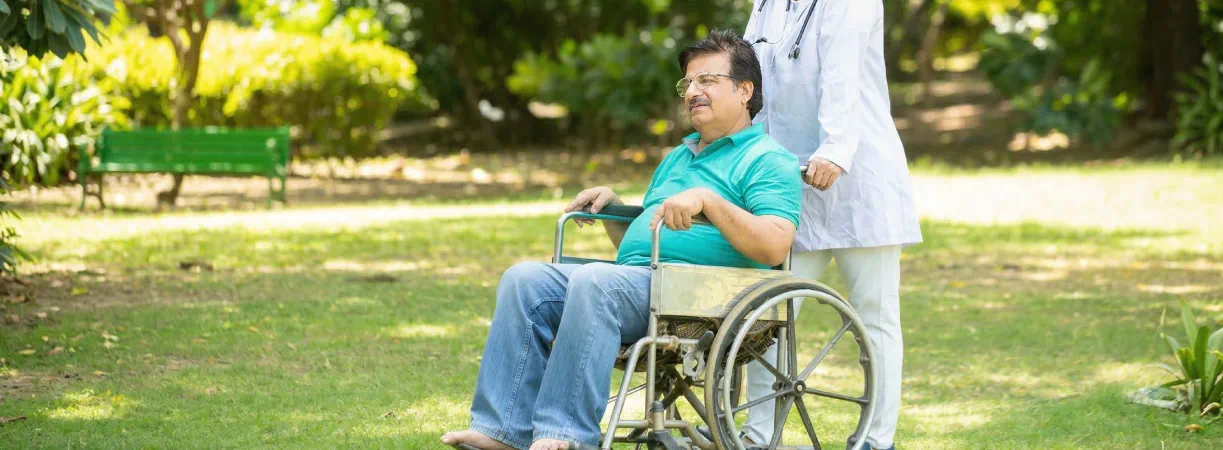
Diagnosis, medicine, or interventional treatment do not terminate the recovery process for orthopedic problems. Long-term musculoskeletal health depends on rehabilitation and supportive care. Structured therapy helps people who are recuperating from joint discomfort, spine problems, sports injuries, or orthopedic surgeries regain their mobility, build strength, reduce pain, and prevent recurrence.
Dr. Arjun Kumar leads a thorough and patient-centred approach to rehabilitation at Mamatha Spine and Regenerative Orthopedic Centre. Not only do we want to relieve symptoms, but we also want to restore function, improve physical performance, and promote long-term orthopedic health. Each patient receives a unique plan based on their health, lifestyle, and rehabilitation goals.
Why Is Rehabilitation Important in Orthopedic Care?
Muscles, ligaments, joints, nerves, and bones are all affected by orthopedic issues simultaneously. If you only treat pain and not the underlying weakness, stiffness, or movement issues, the discomfort may come back. Rehabilitation fills this gap by integrating medical care with physical therapy, functional training, and education on injury prevention.
Rehabilitation done right can:
- Increase joint flexibility and mobility
- Restore muscle strength and endurance.
- Improve your balance and coordination
- Lower the chance of getting hurt again
- Improve posture and functional movement
- Promote faster and safer healing
This all-in-one method makes sure that patients can safely return to daily life, work, and sports while maintaining long-term musculoskeletal health.
Physiotherapy Coordination
Physiotherapy is an important part of orthopedic care for those recovering from injury. Coordinated physiotherapy ensures treatment is based on the patient's diagnosis, symptom severity, and individual needs.
A systematic physiotherapy programme may include pain relief methods, stretching exercises, strengthening routines, joint mobilisation, and functional movement training. Close communication between the orthopedic specialist and physiotherapist ensures continuity of care and optimal outcomes.
Physiotherapy is especially helpful for problems like:
- Pain in the back and neck
- Pain in the joints with arthritis
- Injuries from sports
- Problems with posture
- Injuries to tendons and ligaments
- Healing after orthopedic surgery
Guided physiotherapy not only alleviates pain but also increases confidence in movement, supporting return to normal activity and independence.
Post-procedure Rehabilitation Guidance
Structured post-procedure rehabilitation is highly beneficial for those undergoing orthopedic treatments, such as injections or regenerative therapies. Appropriate support during this period enhances treatment success and tissue repair.
After surgery, rehabilitation usually involves gradual activity progression, specific exercises, and monitoring for improvement. This step is crucial to prevent joint stiffness, maintain mobility, and avoid injury from premature overexertion.
Patients are also taught safe ambulation, activity restrictions if necessary, and gradual return to normal routines. This meticulous approach reduces complication risk and increases the likelihood of long-term therapeutic success.
Strengthening and Mobility Programmes
Muscle weakness and limited joint movement are frequent causes of orthopedic discomfort. So, programmes that support strength and mobility are important aspects of supportive care.
The main aims of these programmes are:
- Strengthening the core to keep the spine stable
- Increasing the range of motion and flexibility of joints
- Increasing muscular endurance
- Correcting movement asymmetries
- Facilitating daily activities such as walking, lifting, and bending
Age, fitness level, job, and medical condition all play a role in the development of customised exercise plans. Regular participation helps patients maintain mobility, reduce pain frequency, and improve overall health.
Strength training is also crucial for preventing joint deterioration and maintaining muscle strength over time.
Posture Correction and Spine Care Education
Poor posture is a major cause of chronic orthopedic disorders, particularly neck, back, and shoulder discomfort. Long hours of working at a desk, using a mobile device, and living a sedentary lifestyle can cause postural abnormalities that put stress on muscles and joints.
Posture correction programmes help individuals identify poor movement patterns and train their bodies to adopt correct positions. Patients receive advice on:
- The right way to sit and stand
- Setting up an ergonomic workspace
- How to lift things safely
- The right way to sleep
- Daily habits that promote spinal health
Patient education enables active participation in recovery and future problem prevention. Over time, even simple changes to posture and body mechanics can significantly reduce musculoskeletal stress.
A Holistic Approach to Supportive Care
Rehabilitation involves more than just treatment sessions and exercises. Supportive care includes lifestyle modifications, patient education, and preventive strategies to maintain orthopedic health.
This comprehensive approach may include:
- Advice on weight management to reduce joint strain
- Suggestions for physical activities
- Nutritional advice for bone and muscle health
- Ways to deal with stress
- Long-term follow-up and monitoring
Such thorough care not only addresses current issues but also prevents future orthopedic problems.
Benefits of Structured Rehabilitation
Patients who stick to formal rehabilitation programmes generally have:
- Less pain and a faster recovery
- More strength and flexibility
- Improved posture and functional mobility
- Less need for drugs
- Better quality of life
- Reduced risk of reinjury
Rehabilitation also helps people feel better about themselves, which enables safe return to work, sports, and daily life.
When Should Rehabilitation Start?
Ideally, rehabilitation should start as soon as possible after a diagnosis or treatment, based on medical advice. Early intervention can help prevent stiffness, muscle loss, and functional impairment from happening.
Even those with chronic orthopedic conditions can benefit from rehabilitation, as tailored therapy can significantly improve mobility and reduce pain over time.
Frequently Asked Questions (FAQs)
Q: When should rehabilitation start after an orthopedic procedure?
A: Rehabilitation usually begins soon after treatment, depending on the procedure and medical advice. Early guided therapy helps improve healing, mobility, and overall recovery.
Q: Is physiotherapy always necessary after orthopedic treatment?
A: In many cases, yes. Physiotherapy helps restore strength, flexibility, and joint function while reducing the risk of future injury or pain recurrence.
Q: How long does orthopedic rehabilitation take?
A: Recovery time varies based on the condition, severity, procedure performed, and patient adherence to therapy. Some patients recover in weeks, while others may need longer structured rehabilitation.
Q: Can rehabilitation help avoid surgery?
A: Yes. Many orthopedic conditions improve significantly with structured rehabilitation, strengthening programmes, and lifestyle modification, reducing the need for surgery.
Q: Can lifestyle changes improve rehabilitation outcomes?
A: Absolutely. Proper posture, regular exercise, weight management, and ergonomic adjustments significantly support orthopedic recovery and long-term joint health.
Make an Appointment for Your Rehabilitation Consultation with Dr. Arjun Kumar
Structured rehabilitation can make a big impact if you are recovering from an orthopedic condition, have ongoing pain in your joints or spine, or want to prevent musculoskeletal problems. Early intervention can help restore function, ease pain, and stop long-term problems from happening.
Consulting an orthopedic professional, Dr. Arjun Kumar, at Mamatha Spine and Regenerative Orthopedic Centre can help you begin a personalised rehabilitation programme focusing on strength, mobility, posture correction, and long-term joint health. Taking action today will help you have a healthier, more active tomorrow.
Mamatha Spine and Regenerative Orthopedic Centre is dedicated to providing advanced spine and orthopedic care in Bengaluru, helping patients move pain-free and live actively.


©2026 | Mamatha Spine and Regenerative Orthopedic Centre | All Rights Reserved | Digital Marketing by Remedo