Non-Surgical Orthopedic Treatments
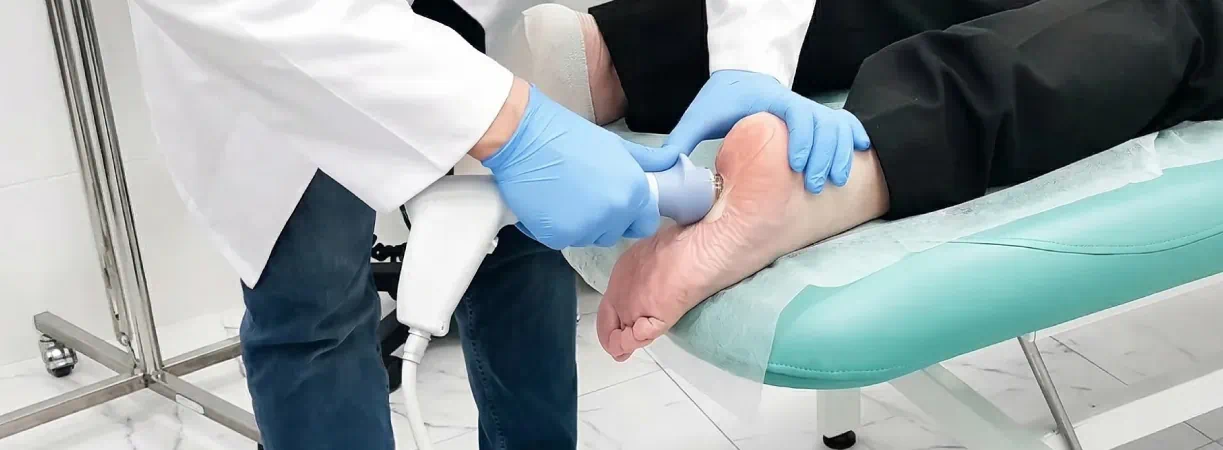
Musculoskeletal diseases are becoming more common these days. These include back pain, joint pain, sports injuries, tendon disorders, and degradation that comes with age. Long periods of sitting, poor posture, inactivity, repetitive strain, and changes in lifestyle have all led to more orthopedic problems in people of all ages. Surgery is sometimes necessary, but non-surgical treatments that focus on managing pain, restoring function, and keeping joints healthy in the long term can effectively treat a wide range of orthopedic issues.
Dr. Arjun Kumar is a certified orthopedic expert in giving full conservative orthopedic care at the Mamatha Spine and Regenerative Orthopedic Centre. The method puts a lot of emphasis on accurate diagnosis, evidence-based therapy, rehabilitation, and preventive measures. orthopedic patients regain their ability to move without having to undergo surgery. The goals are to cure the symptoms, restore patients' quality of life, and prevent recurrence.
Understanding Orthopedic Care Without Surgery
Non-surgical orthopedic therapy is a type of medical and rehabilitative treatment that helps people with problems with their bones, joints, muscles, ligaments, and spine without needing surgery. These treatments can help you feel and function better, and they are often the first thing that doctors do for many orthopedic problems.
It is very important to get a diagnosis early. When orthopedic problems are found early, conservative treatments often work well. They help patients avoid surgery and keep their joints working normally. When establishing a treatment plan, doctors think about each patient's health, amount of exercise, medical history, and lifestyle needs.
Conservative Management of Orthopedic Conditions
Pain control, reducing inflammation, increasing mobility, and strengthening the tissues that support the spine and joints are all goals of conservative treatment. This approach is particularly effective for conditions such as:
- Spondylosis in the lumbar and cervical regions
- Osteoarthritis in its initial phases
- Tendinitis and bursitis
- Injuries from sports and ligaments that are too tight
- Back and neck pain caused by bad posture
- Slight nerve discomfort and problems with the discs
Some examples of care are pain and inflammatory medicines, structured physical therapy programs, changes in activity, and lifestyle counseling. The main goal is always to restore function, speed up healing, and stop the problem from getting worse.
This patient-centered approach makes sure that the cause of the discomfort is treated together with its symptoms.
Ultrasound-Guided Injections
Ultrasound-guided injections have been a major advancement in non-surgical orthopedic treatment. These methods allow precise delivery of care to soft tissues, ligaments, tendons, or joints with the help of imaging guidance. Accuracy lowers the risk of problems and makes things work better.
These injections may contain anti-inflammatory medicines or regenerative therapies, depending on the condition. They are often used for:
- Arthritis-related joint discomfort
- Problems with the hips, knees, and shoulders
- Injuries to ligaments and tendons
- Spinal pain disorders
- Conditions marked by ongoing inflammation
Most of the time, these minimally invasive procedures are done on an outpatient basis. Many patients report that image-guided therapy helps them experience less pain, move more easily, and heal faster.
Rehabilitation-Focused Treatment Plans
Rehabilitation is the most important part of non-surgical orthopedic treatment. Pain alleviation alone is not enough for a long-lasting recovery; restoring strength, flexibility, stability, and coordination is also important.
A lot of the time, rehabilitation programs include:
- Specific physical therapy exercises
- Strengthening your core to support your spine
- Ways to keep your joints stable
- Training to be more mobile and flexible
- Exercises to fix bad posture
- Relearning how to do useful moves
These planned activities help keep your bones and muscles healthy in the long term, make you stronger, and lower your risk of becoming hurt again. Rehabilitation is carefully tailored to each patient's health, job, and level of activity to make sure they have the best chance of getting better.
Lifestyle And Ergonomic Counseling
Modern lifestyle choices make orthopedic problems worse. Long periods of sitting, bad posture, an uncomfortable work environment, and not getting enough exercise can all create chronic pain and stress on the joints.
So, lifestyle and ergonomic advice are important parts of treatment. Patients are advised to:
- The right way to sit and stand
- Changes to make the workplace more comfortable
- Ways to lift safely
- Controlling your weight well
- workouts that are good for your health
- Choosing a mattress and how you sleep
These changes make things more comfortable, put less strain on the spine and joints, and help keep more orthopedic problems from happening. Preventive education is the key to staying healthy for a long time.
Activity Modification Guidance
Many orthopedic problems get worse when people do too much of the wrong kind of exercise or do the same thing again and over. Modifying how you do things preserves injured structures and speeds up healing while allowing patients to stay active.
This could mean:
- Changing activity plans for a short time
- Avoid movements that hurt
- Slowly going back to work or sports
- Using aids or braces or support if necessary
- Planned growth of exercise
The idea is to move safely so that you may heal and avoid getting hurt again, not to stay still.
Benefits of Non-Surgical Orthopedic Treatments
When utilized correctly, non-surgical approaches can help with the following:
- Pain relief without the risks of surgery
- Less time off work and a faster recovery
- Keeping the natural anatomy of the joints
- Less likely to have problems
- Improved functioning and maintained musculoskeletal health in the long run
Early conservative treatment often prevents long-term problems and improves overall results.
When Should Surgery Be Considered?
Even while many patients do well with non-surgical treatment, there are specific cases when surgery may be recommended, such as:
- Neurological problems that get worse with time
- Extreme instability or damage to the joints
- Conservative treatment does not work for pain that won't go away.
- Problems with the structure that need to be corrected by surgery
Even in these cases, non-surgical therapy often helps a lot with recovery both before and after surgery.
Why Is Specialized Conservative Orthopedic Care The Best Choice?
Expert examination guarantees an accurate diagnosis and tailored therapy instead of just relieving symptoms that aren't specific. Patients who get personalized care do better and can safely go back to their normal activities.
Some of the key benefits are:
- Complete clinical assessment
- Rules for therapy based on evidence
- Advanced treatments based on imaging
- Put rehabilitation in the long term foremost.
- Teach how to avoid problems and take care of them thereafter.
This all-encompassing plan helps with both short-term relief and long-term musculoskeletal health.
FAQs
Q: Can you constantly deal with orthopedic pain without having surgery?
A: Many ailments can be treated using conservative methods, but some structural problems may still need surgery.
Q: Are injectable therapies safe to use?
A: When done by trained specialists with imaging guidance, they are safe and effective for some conditions.
Q: How long does it take to become better?
A: Recovery depends on how bad the injury is, how well the person follows their treatment and rehabilitation plans, and how well they follow their treatment.
Q: Do you still need physical therapy even after the discomfort goes away?
A: Yes, rehabilitation helps build muscle and keep symptoms from getting worse.
Q: Does changing your way of life really help with orthopedic problems?
A: Of course. Good posture, regular exercise, making your workspace more comfortable, and keeping your weight in check all make a big difference in results.
Book An Appointment For Expert Consultation
Don't ever ignore joint pain, chronic orthopedic problems, or trouble moving about. Early evaluation and planned non-surgical therapy can improve quality of life and prevent long-term problems.
To get professional conservative orthopedic care that will help you move better, feel better, and keep your bones and muscles healthy for a long time, talk to Dr. Arjun Kumar at the Mamatha Spine and Regenerative Orthopedic Centre. Quick action can have a big effect on recovery and overall health.
Mamatha Spine and Regenerative Orthopedic Centre is dedicated to providing advanced spine and orthopedic care in Bengaluru, helping patients move pain-free and live actively.


©2026 | Mamatha Spine and Regenerative Orthopedic Centre | All Rights Reserved | Digital Marketing by Remedo