Diagnostic & Evaluation Services
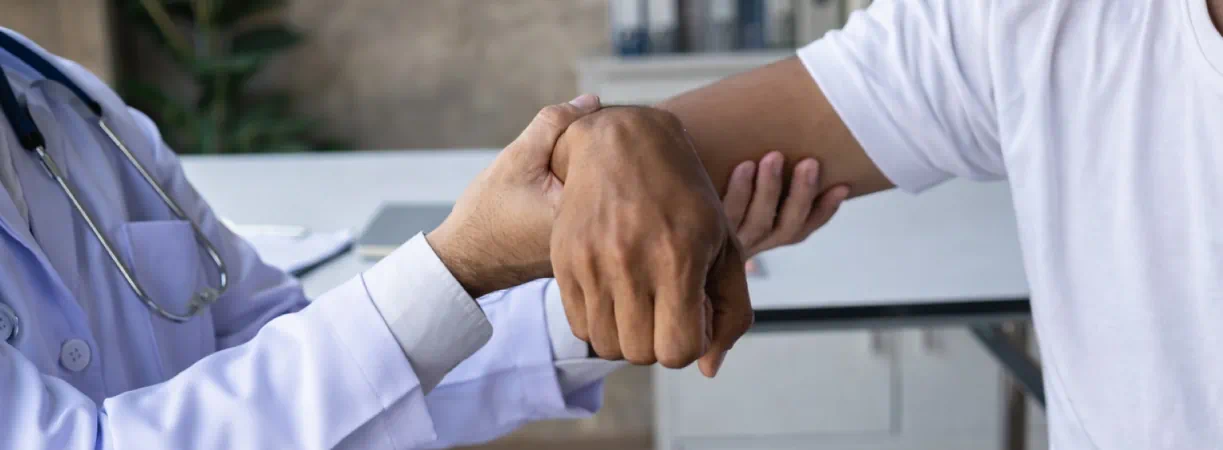
A correct diagnosis is the most important part of good orthopedic and spine care. Many musculoskeletal disorders—affecting the spine, joints, ligaments, or nerves—exhibit analogous symptoms, including pain, stiffness, weakness, or limited mobility. Without a thorough and organised assessment, treatment may merely give short-term relief instead of fixing the problem at its source.
At Mamatha Spine and Regenerative Orthopedic Centre, our diagnostic and evaluation services are meant to give each patient clear, accurate, and tailored information about their situation. Dr. Arjun Kumar is an expert in finding not only the symptoms but also the biomechanical, neurological, or degenerative aspects that are causing pain or incapacity.
The main purpose of a complete evaluation is simple: to make an accurate diagnosis, arrange targeted therapy, avoid superfluous operations, and gain better long-term results.
Why Diagnostic Evaluation Is Essential In Orthopedic Care?
Problems with the spine and bones often happen slowly over time. Early indicators like moderate back pain, neck pain that comes and goes, or joint stiffness may not seem like much, but they could mean that there are bigger structural or functional problems. A good diagnostic examination helps:
- Find out exactly what is causing the discomfort or problem
- Find early signs of inflammation or degeneration
- Stop the progression to long-term or debilitating conditions
- Guide the right non-surgical or surgical care
- Avoid wrong diagnoses and treatments that don't work.
A structured assessment ensures that treatment recommendations are based on evidence and not just symptoms.
Detailed Orthopedic and Spine Evaluation
The first thing that always happens is a full clinical exam. This includes collecting a complete history, doing a physical exam, checking posture, analysing gait, and checking joint mobility, muscle strength, reflexes, and nerve function.
It's also vital to know about lifestyle aspects like your job, how active you are, your ergonomics, any past injuries, and your medical history. These factors frequently affect both the diagnosis and the treatment approach.
This detailed assessment aids in distinguishing muscular pain, joint degeneration, nerve compression, ligament injury, or systemic orthopedic problems.
X-ray, MRI, and CT Scan Review
Radiological imaging is very important for validating what doctors find in the clinic. Instead of just looking at imaging reports, scans are thoroughly reviewed in light of symptoms and the results of a physical exam.
X-rays can check for broken bones, arthritis, bone alignment, and structural defects.
MRI scans give a lot of information regarding soft tissues, nerves, discs, ligaments, and cartilage.
CT scans are helpful for looking at complicated bone structures and some spinal problems.
It is important to be careful when interpreting imaging results. Numerous individuals may have degenerative alterations on scans in the absence of symptoms, hence therapy selections are predicated on the whole clinical presentation.
Functional Assessment and Pain Mapping
Functional assessment looks at how a problem impacts your ability to walk, stand, bend, and balance, as well as your overall physical performance. This means looking at:
- How far can you move
- Muscle imbalances
- Patterns of movement
- Changes in posture
- Pain starts when you do certain things
Pain mapping helps find the specific spot, radiation pattern, and strength of pain. This is especially helpful for spine problems because nerves can cause pain to move to the arms or legs.
Such evaluations direct focused rehabilitation, physiotherapy formulation, and lifestyle adjustment approaches.
Second Opinions for Spine and Joint Surgeries
Before having significant orthopedic surgeries like spine surgery, joint replacement, or ligament reconstruction, a lot of patients want to feel better. A second opinion can help you figure out if surgery is really essential or if other, less invasive treatments are still possible.
This evaluation includes looking at prior diagnostic reports, imaging findings, treatment history, and present symptoms. In some circumstances, physiotherapy, injections, regenerative therapies, or rehabilitation programs that don't need surgery may be able to help with symptoms.
Getting a fair and objective second opinion helps people make smart decisions with confidence.
A Diagnostic Technique That Focuses on the Patient tests and scans are not enough for a good diagnosis. A patient-centred approach takes into account each person's needs, how much pain they can handle, their activity goals, their job requirements, and their general health.
Some important parts of this strategy are:
- Paying close attention to what patients are worried about
- Clearly and openly explaining what you found
- Talking about all the treatment choices that are accessible
- Encouraging patients to help make decisions
- Focusing on improving function over the long term
This practice of working together builds trust and makes people more likely to stick with their treatment.
Conditions That Diagnostic Services Often Check for
A diagnostic evaluation can help find a lot of different orthopedic and spine problems, such as:
- Spondylosis in the cervical and lumbar regions
- Syndromes of slipped discs and nerve compression
- Spinal stenosis and sciatica
- Injuries from sports and torn ligaments
- Arthritis and deterioration of the joints
- Postural problems and work-related stress
- Chronic musculoskeletal pain syndromes
Finding these diseases early makes it possible to treat them quickly and have better results.
Advantages of Prompt Orthopedic Assessment
A lot of people wait to see a doctor until their pain is really bad or makes it hard for them to do things. But early evaluation has a lot of benefits:
- Faster healing with conservative care
- Lower chance of getting chronic discomfort
- Less likely to need surgery
- Better ability to move and do things
- A better quality of life
Preventive orthopedic treatment is becoming more and more vital because people don't move about as much these days.
Combining with Plans for Rehabilitation and Treatment
Diagnosis is not a separate procedure; it directly affects how therapy is planned. Based on the results of the evaluation, a personalised management plan can include:
- Programs for physiotherapy and rehabilitation
- Pain management and medication strategies
- Changes to your lifestyle and ergonomics
- Orthopedic therapies that help the body heal itself
- Pain procedures that include intervention
- If necessary, a surgical consultation
This integrated strategy makes sure that care continues from diagnosis to recovery.
FAQs
Q: When is it time to get an orthopedic diagnostic evaluation?
A: If the pain lasts more than two weeks, gets worse over time, spreads to your arms and legs, makes you weak or numb, or gets in the way of your normal activities, you should see a doctor.
Q: Do you constantly need imaging tests?
A: Not always. Clinical examination frequently yields substantial information. If symptoms point to structural problems or conservative treatment doesn't work, imaging is a good idea.
Q: Can a diagnostic test keep you from having surgery?
A: Yes, an early and correct diagnosis frequently makes conservative treatment possible, which means surgery is less likely to be needed.
Q: Should you get a second opinion before having surgery?
A: For sure. A second opinion can help you make an informed choice by confirming the diagnosis, looking into other therapies, and giving you more information.
Q: What do I need to bring for an evaluation?
A: Previous medical records, imaging results, prescriptions, and a clear description of symptoms help make sure that the assessment is complete.
Q: Do orthopedic diagnostic tests hurt?
A: Most tests don't hurt. Some functional tests may cause moderate pain, although they are usually safe and well-tolerated.
Make An Appointment For Your Diagnostic Consultation
If you have back pain, neck pain, joint stiffness, or other unexplained musculoskeletal symptoms that won't go away, getting checked out right away can make a big difference. The first step to getting better treatment, getting better faster, and avoiding long-term problems is to have an accurate diagnosis.
By making an appointment with Dr. Arjun for a professional diagnostic evaluation, you can learn more about your condition and look into specific treatment options that will improve your mobility, comfort, and overall orthopedic health.
Mamatha Spine and Regenerative Orthopedic Centre is dedicated to providing advanced spine and orthopedic care in Bengaluru, helping patients move pain-free and live actively.


©2026 | Mamatha Spine and Regenerative Orthopedic Centre | All Rights Reserved | Digital Marketing by Remedo