Cervical Spondylosis: Causes And Treatment
Introduction
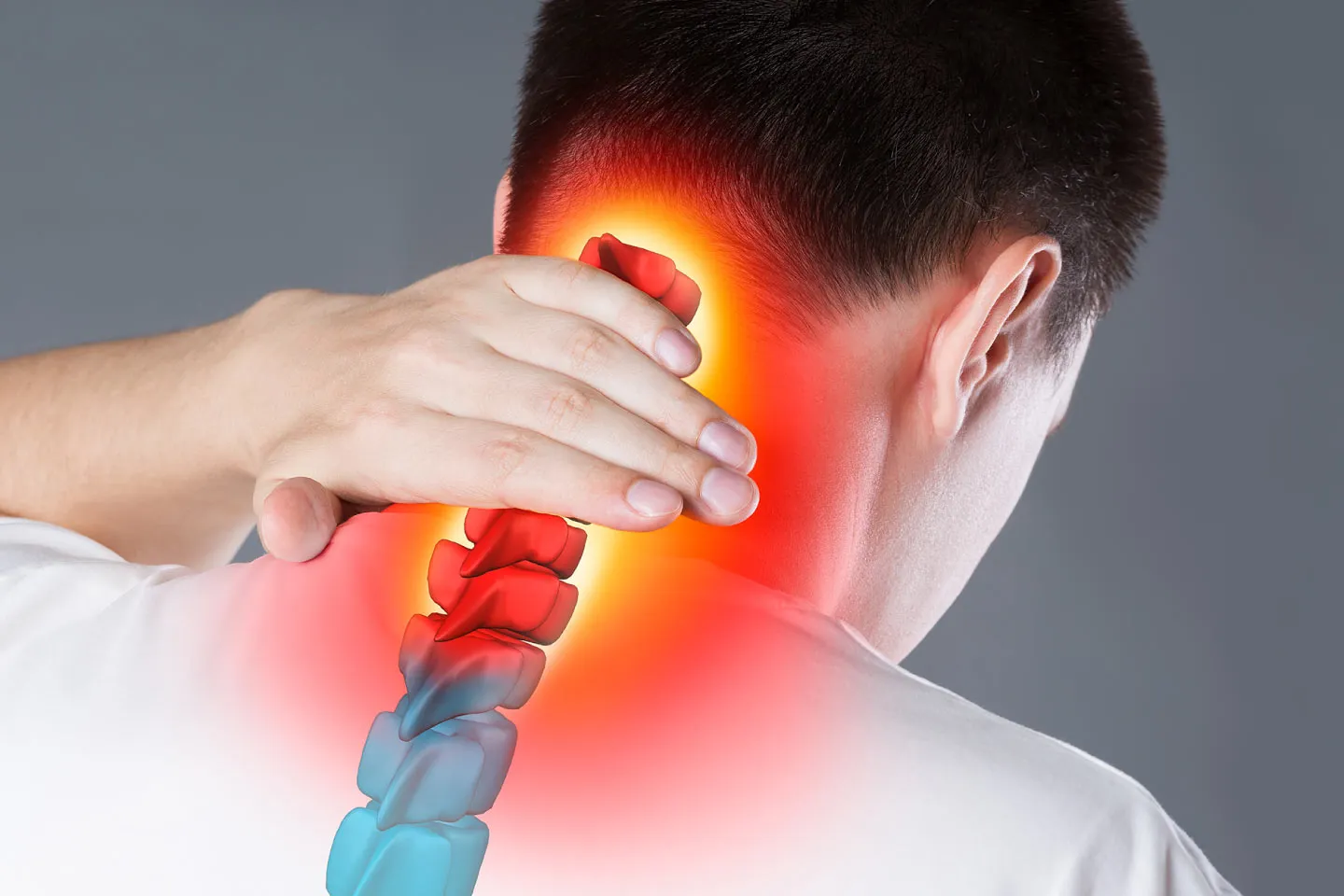
Neck pain and stiffness are common complaints, especially with increasing age and sedentary lifestyles. One of the leading causes of chronic neck discomfort is Cervical Spondylosis. This condition involves age-related wear and tear of the cervical spine (neck region), affecting the discs, joints, and bones.
While many people experience mild symptoms, untreated cervical spondylosis can lead to nerve compression and significant discomfort. Early diagnosis and appropriate treatment can help manage symptoms effectively and improve quality of life.
What Is Cervical Spondylosis?
Cervical Spondylosis refers to degeneration of the cervical spine due to aging and repeated stress. Over time, the discs lose hydration and elasticity, leading to reduced cushioning between vertebrae.
This may result in bone spurs, disc bulging, and narrowing of the spinal canal, which can compress nearby nerves.
Common Causes Of Cervical Spondylosis
Age-Related Degeneration
Natural aging is the most common cause. As we age, spinal structures gradually wear down.
Poor Posture
Long hours of sitting, especially while using computers or mobile devices, can strain the neck.
Repetitive Stress
Jobs or activities involving repeated neck movements can accelerate degeneration.
Previous Injury
Past neck injuries may increase the risk of developing spondylosis.
Sedentary Lifestyle
Lack of physical activity weakens supporting muscles and contributes to spinal problems.
Symptoms Of Cervical Spondylosis
Symptoms can vary depending on severity:
- Neck pain and stiffness
- Headaches, often starting from the neck
- Shoulder or arm pain
- Numbness or tingling in arms or hands
- Muscle weakness
- Reduced range of neck movement
In advanced cases, nerve compression may cause more serious neurological symptoms.
When Does It Become Serious?
Seek medical attention if you experience:
- Persistent or worsening pain
- Difficulty in arm or hand movement
- Loss of coordination
- Severe numbness or weakness
- Balance issues
These signs may indicate nerve or spinal cord involvement.
Diagnosis
A proper diagnosis helps determine the severity and guide treatment. This may include:
- Physical examination
- X-rays
- MRI or CT scans
- Neurological assessment
Early diagnosis allows for better management and prevents complications.
Treatment Options
Conservative Treatment
Most cases can be managed without surgery.
Medications
Pain relievers and anti-inflammatory drugs help reduce discomfort.
Physiotherapy
Exercises to strengthen neck muscles and improve flexibility are highly effective.
Lifestyle Modifications
- Maintain proper posture
- Take regular breaks from screen time
- Use ergonomic furniture
Advanced Non-Surgical Treatments
At specialized centers like Mamatha Spine And Regenerative Orthopedic Centre, advanced therapies may include:
Regenerative treatments
- Targeted injections
- Pain management procedures
These approaches focus on reducing pain and improving function.
Surgical Treatment
Surgery is considered only in severe cases where:
- There is significant nerve compression
- Symptoms do not improve with conservative treatment
- Neurological deficits are present
- Procedures aim to relieve pressure on nerves and stabilize the spine.
Home Care Tips
- Apply hot or cold compresses
- Maintain correct posture while sitting and sleeping
- Use a supportive pillow
- Avoid sudden neck movements
- Perform regular stretching exercises
Consistent care can significantly reduce symptoms.
Prevention Tips
- Stay physically active
- Practice good posture
- Avoid prolonged screen use without breaks
- Strengthen neck and back muscles
- Maintain a healthy weight
Preventive measures can slow down the progression of the condition.
When Should You See A Doctor?
Consult a specialist if:
- Neck pain persists for more than a few weeks
- Pain radiates to arms
- You experience numbness or weakness
- Daily activities are affected
Timely intervention ensures better outcomes and prevents complications.
FAQs
Q: Is cervical spondylosis curable?
A: It cannot be completely reversed, but symptoms can be effectively managed.
Q: Can exercise help cervical spondylosis?
A: Yes, regular physiotherapy and exercises improve strength and flexibility.
Q: Is surgery always required?
A: No, most cases are treated without surgery.
Q: Can cervical spondylosis cause dizziness?
A: Yes, in some cases it may lead to dizziness or headaches.
Q: How can I prevent neck pain?
A: Maintain good posture, exercise regularly, and avoid prolonged strain.
Conclusion
Cervical spondylosis is a common but manageable condition. With early diagnosis, proper treatment, and lifestyle changes, most individuals can lead a pain-free and active life.
Ignoring symptoms may lead to complications, so it is important to seek medical advice when needed. A personalized treatment plan can help you regain comfort and mobility.
If you are experiencing persistent neck pain or related symptoms, do not ignore it. Consult Dr. Arjun at Mamatha Spine And Regenerative Orthopedic Centre for expert evaluation and advanced treatment options.

Mamatha Spine and Regenerative Orthopedic Centre is dedicated to providing advanced spine and orthopedic care in Bengaluru, helping patients move pain-free and live actively.


©2026 | Mamatha Spine and Regenerative Orthopedic Centre | All Rights Reserved | Digital Marketing by Remedo