Age-Related Spine Changes: What To Expect
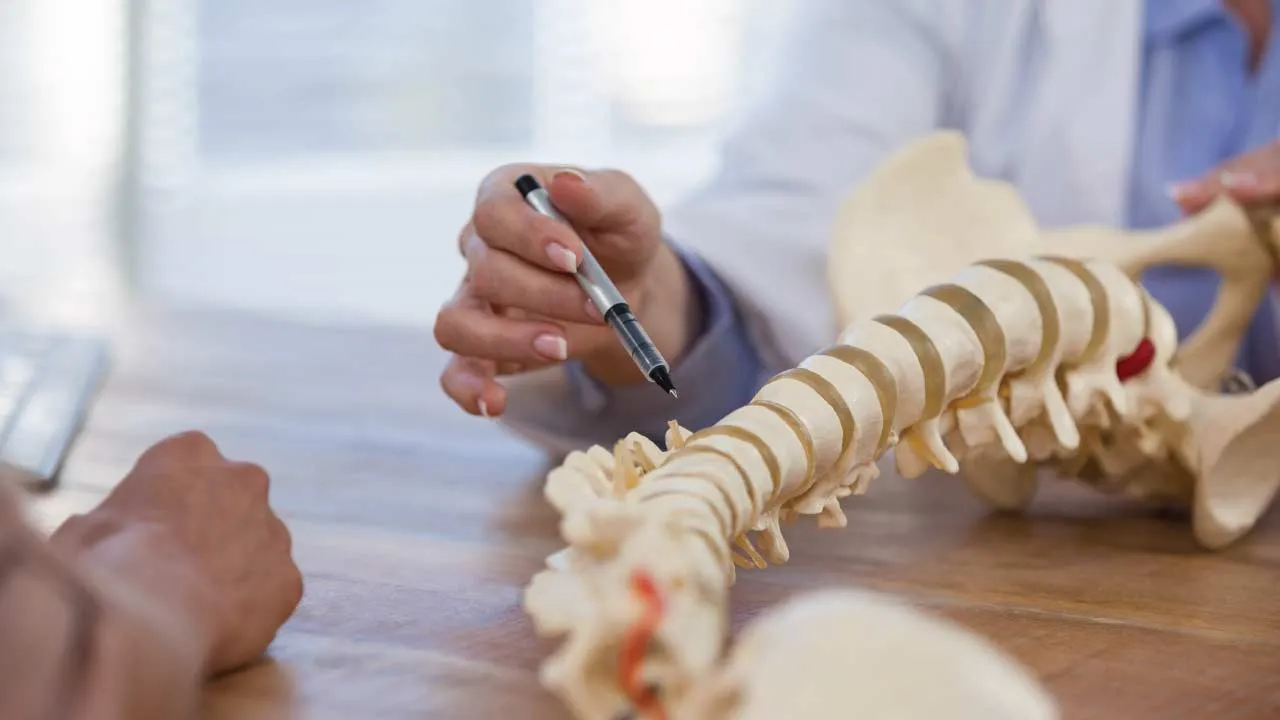
The spine plays a central role in supporting the body, maintaining posture, and allowing movement. As people grow older, natural wear and tear gradually affect the structures of the spine, including the bones, discs, joints, ligaments, and muscles. These age-related changes are a normal part of aging, but in some individuals, they may lead to pain, stiffness, reduced flexibility, or nerve-related symptoms.
Many adults begin noticing changes such as back stiffness, reduced mobility, or discomfort during daily activities as they age. While some spinal changes are mild and manageable, others may require medical attention if symptoms begin interfering with quality of life.
Understanding what happens to the spine with age can help individuals recognize normal changes, adopt healthier habits, and seek timely care when needed.
How The Spine Changes With Age
The spine is made up of vertebrae, intervertebral discs, joints, ligaments, muscles, and nerves that work together to provide support and flexibility. Over time, these structures gradually undergo degenerative changes.
The aging process may affect:
- Spinal discs
- Bones and joints
- Ligaments
- Muscles
- Nerve spaces
The speed and severity of these changes may vary depending on genetics, posture, physical activity, occupation, injuries, and overall health.
Disc Degeneration
Intervertebral discs act as cushions between the bones of the spine. These discs contain water that helps maintain flexibility and shock absorption.
As people age:
- Discs lose water content
- Disc height gradually reduces
- Flexibility decreases
- Shock absorption becomes less effective
This process is commonly known as degenerative disc changes.
Disc degeneration may contribute to:
- Back stiffness
- Neck pain
- Reduced flexibility
- Occasional nerve compression symptoms
Not all disc degeneration causes pain, but symptoms may appear if nearby nerves become irritated.
Arthritis Of The Spine
The joints connecting spinal bones may also undergo wear and tear over time. This can lead to spinal arthritis, often referred to as osteoarthritis of the spine.
Arthritic changes may cause:
- Joint stiffness
- Pain during movement
- Reduced mobility
- Inflammation
Symptoms may become more noticeable after long periods of inactivity or with increasing physical strain.
Bone Spur Formation
As spinal joints wear down, the body may develop small bony growths called bone spurs.
Bone spurs themselves may not always cause symptoms, but in some cases they can narrow spaces around spinal nerves and contribute to nerve irritation or compression.
This may lead to:
- Pain
- Tingling sensations
- Numbness
- Weakness in the arms or legs
- Spinal Stenosis
Age-related narrowing of the spinal canal is known as spinal stenosis. This condition commonly affects older adults and occurs when spaces surrounding the spinal cord or nerves become smaller.
Symptoms may include:
- Lower back pain
- Leg pain during walking
- Numbness
- Weakness
- Difficulty standing for long periods
In many cases, symptoms gradually progress over time.
Loss Of Flexibility And Posture Changes
Muscles and ligaments supporting the spine may weaken with age, contributing to reduced flexibility and posture changes.
Many older adults notice:
- Difficulty bending
- Stooped posture
- Reduced balance
- Muscle stiffness
Poor posture and reduced physical activity may further accelerate spinal strain.
Osteoporosis And The Spine
Bone density naturally decreases with aging, especially in older adults and postmenopausal women. Osteoporosis weakens bones and increases the risk of spinal compression fractures.
Compression fractures may lead to:
- Sudden back pain
- Height loss
- Curved posture
- Reduced mobility
Bone health becomes increasingly important with age to help maintain spinal strength.
Common Symptoms Of Age-Related Spine Changes
Not everyone experiences severe symptoms, but common complaints may include:
- Chronic back or neck pain
- Morning stiffness
- Reduced range of motion
- Pain after prolonged standing
- Muscle tightness
- Numbness or tingling
- Difficulty walking comfortably
Symptoms may vary depending on which part of the spine is affected.
When Spine Changes Need Medical Attention
Although some spinal changes are expected with aging, certain symptoms should not be ignored.
Medical evaluation may be necessary if there is:
- Persistent or worsening pain
- Leg or arm weakness
- Loss of balance
- Difficulty walking
- Numbness
- Bladder or bowel control problems
- Severe mobility limitation
Early evaluation may help prevent worsening nerve or joint complications.
Supporting Spine Health With Age
Healthy habits can help support spinal health and reduce strain as the body ages.
Helpful measures may include:
- Regular physical activity
- Strengthening core muscles
- Maintaining proper posture
- Weight management
- Stretching exercises
- Bone health support
- Avoiding smoking
- Ergonomic work habits
Staying physically active is especially important for maintaining flexibility and spinal stability.
Importance Of Early Care And Rehabilitation
Many age-related spinal problems can often be managed with conservative treatments such as:
- Physiotherapy
- Exercise programs
- Pain management
- Lifestyle modification
- Posture correction
In more advanced cases, additional medical or surgical treatment may sometimes be required depending on the severity of symptoms.
Early intervention often helps improve mobility and quality of life.
Conclusion
Age-related spine changes are a natural part of the aging process, but they can sometimes lead to pain, stiffness, reduced flexibility, and nerve-related symptoms. Disc degeneration, arthritis, spinal stenosis, and posture changes commonly develop gradually over time.
Understanding these changes and recognizing early symptoms can help individuals take proactive steps toward protecting spinal health. Regular exercise, healthy lifestyle habits, and timely medical evaluation play an important role in maintaining mobility, comfort, and overall quality of life as the spine ages.
FAQs
Q: Are age-related spine changes normal?
A: Yes. Gradual wear and tear affecting spinal discs, joints, and bones is a common part of aging.
Q: What causes stiffness in the spine with age?
A: Disc degeneration, arthritis, reduced flexibility, and muscle changes may contribute to spinal stiffness.
Q: Can spinal aging cause nerve symptoms?
A: Yes. Conditions such as spinal stenosis or bone spur formation may compress nerves and cause numbness, tingling, or weakness.
Q: Is back pain always a sign of serious spinal disease?
A: Not always. Mild discomfort can occur with normal aging, but persistent or worsening symptoms should be evaluated.
Q: How can spinal health be maintained with age?
A: Regular exercise, posture correction, flexibility training, weight management, and bone health support may help maintain spinal health.
Q: When should I see a doctor for spine problems?
A: Medical attention is important if pain becomes persistent, mobility decreases, or nerve-related symptoms develop.
If back pain, stiffness, or mobility issues are affecting your daily life, consult Dr. Arjun at Mamatha Spine and Regenerative Orthopedic Centre for expert evaluation and personalized spine care.

Mamatha Spine and Regenerative Orthopedic Centre is dedicated to providing advanced spine and orthopedic care in Bengaluru, helping patients move pain-free and live actively.


©2026 | Mamatha Spine and Regenerative Orthopedic Centre | All Rights Reserved | Digital Marketing by Remedo